
Non-dues revenue ideas for associations and chambers
How to earn beyond dues by helping members do business with each other
Non-dues revenue is income an association or chamber earns outside membership dues. Common sources include paid workshops, event sponsorships, job board listings, and facility rentals. Start with something members already ask for and that your team can run. You can also build a program around the business members already do with each other. A directory helps members find providers, and referrals help them connect. If your association wants the program to earn revenue, give it a clear mechanism, such as charging admission to a workshop led by a member business.
Non-dues revenue ideas, grouped
Many associations and chambers already run a few of these. The question is which one to add next, and the test in the next section helps you compare them.
Events and education
- Annual conference or summit. Registration, exhibitor fees and sponsorship in one event. High effort, usually recurring.
- Workshops and lunch-and-learns. Paid admission for practical sessions. One option is to have a member business lead them, so members learn from a peer and the member gets visibility. The test below helps you weigh it.
- Certifications and continuing education. Recurring when your industry requires credits. Setup is heavy, so it suits associations with a clear professional standard.
Sponsorship and advertising
- Event sponsorships. Businesses pay to support an event in exchange for recognition.
- Newsletter and website placements. Paid placements in channels members already read.
These two are often grouped together, but they aren't the same thing, and they can be treated differently for tax purposes. See the note on tax below.
Services and space
- Facility rental. If you have meeting space, rent it to members and the public.
- Job board. Employers pay to reach your members.
- Group buying and affinity programs. Members get a negotiated benefit from a partner, and the program may pay the association when members participate.
Programs between members
- A member business directory. Members find each other's businesses in one place you control.
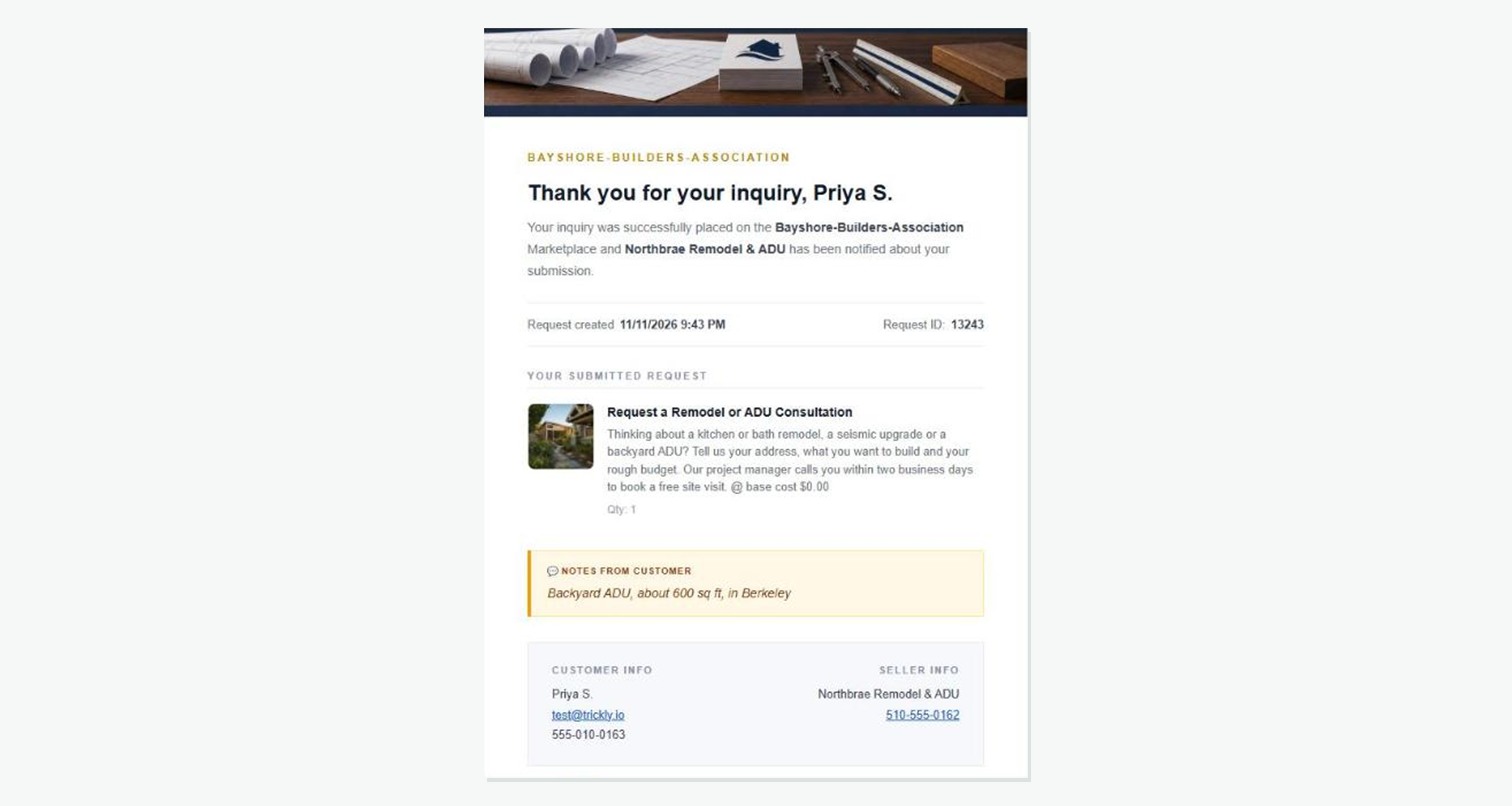
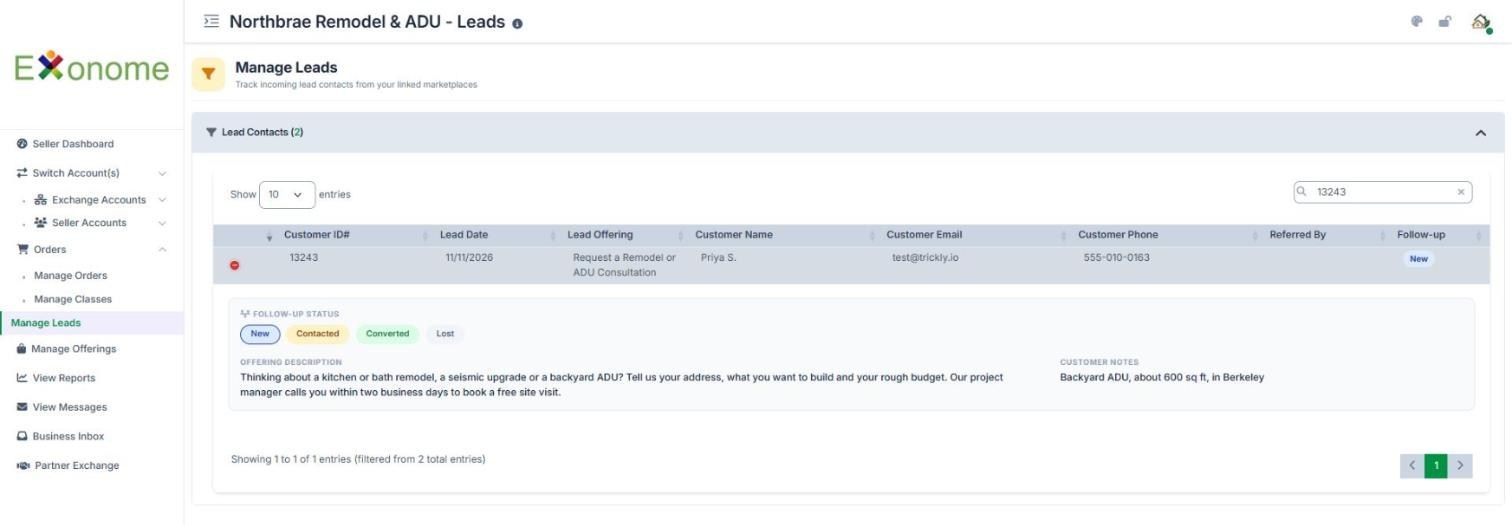
- Inquiries and referrals. Members ask for help and get introduced to the right member business.
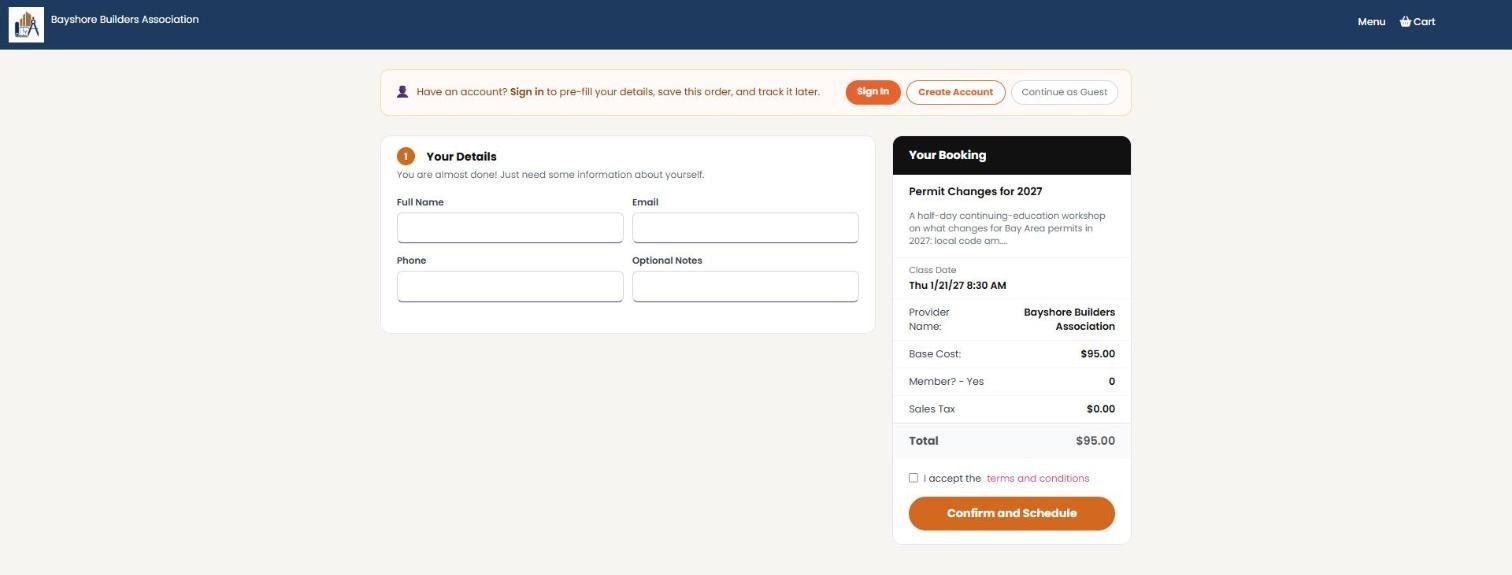
- Paid sessions, bookings and rentals. Members book and pay for something a member business offers.
These programs are built on business your members already do with each other. They're covered in detail below, including how money moves, if it moves at all.
How to compare ideas: a four-question test
Before adding a program, ask four questions.
| Question | What to ask |
|---|---|
| Fit | Do members already want this, or would we have to convince them? |
| Effort | What does setup take, and what does running it take every month? |
| Trust | What are we implicitly endorsing, and who handles it when something goes wrong? |
| Recurrence | Why would members or sponsors come back next time? |
Here's the test applied to two common ideas.
| A sponsored newsletter | A member-led workshop | |
|---|---|---|
| Fit | Members already read it; sponsors want the audience | Members ask for practical skills; a member business wants visibility |
| Effort | Selling and placing sponsors every issue | Finding a member to lead it, promoting it, running registration |
| Trust | You're putting the sponsor in front of members; choose sponsors carefully | You're vouching for the member who leads it; set expectations for content |
| Recurrence | As often as you publish, if sponsors renew | A series, if the first one works |
Neither is better in general. The test shows where the work and the risk sit for your team.
Programs built on the business members already do with each other
Members of an association or chamber already refer each other, hire each other and buy from each other. Those introductions and purchases often start in conversations, email threads or group chats. Your organization is the trusted convener. You can give that activity a home, and decide who takes part. Here's how a member marketplace for associations and chambers works.
There are three common program forms. For each one, it helps to be clear about who takes part, what staff do, and who pays whom.
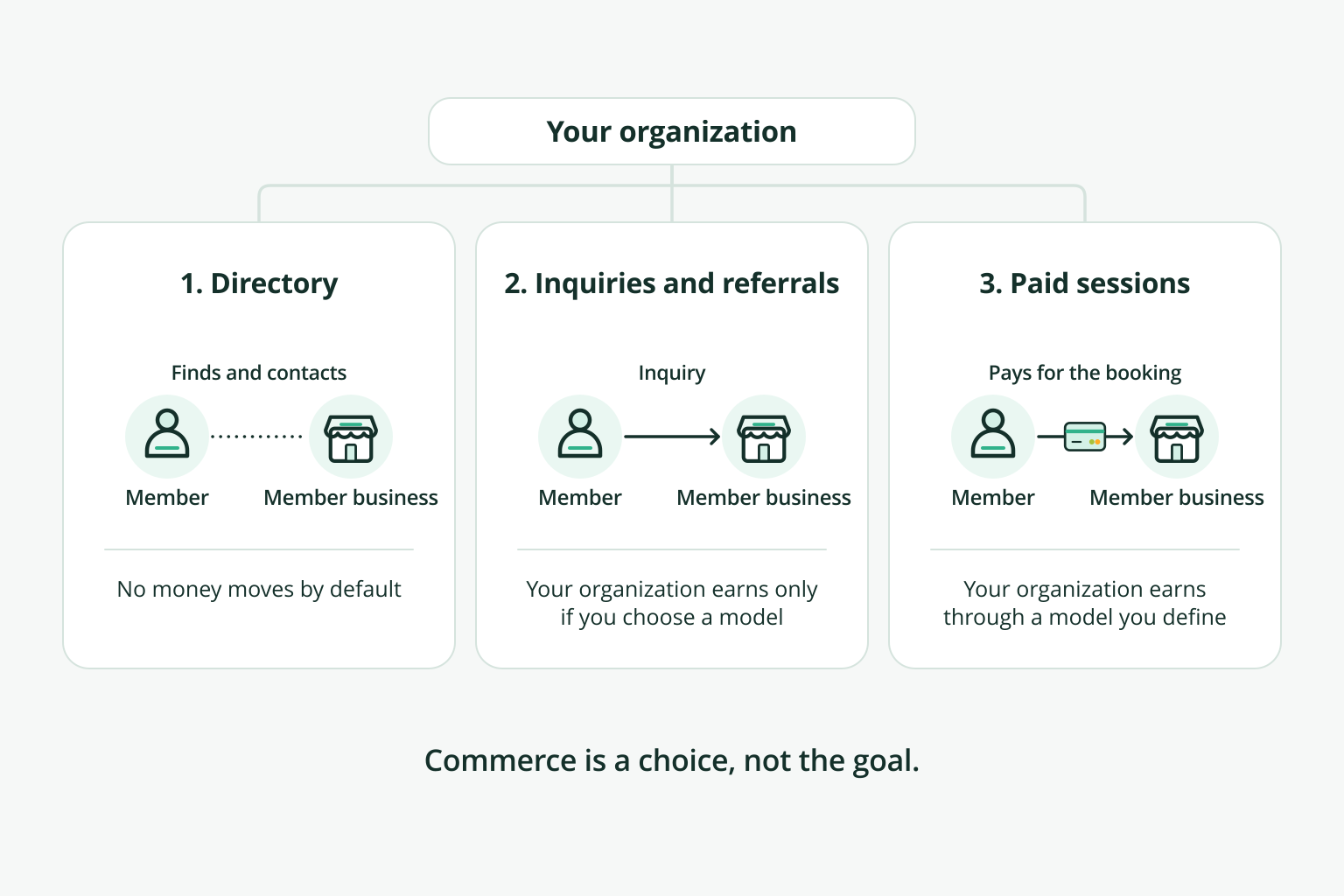
1. A member business directory
- Who takes part: member businesses list what they offer; members browse.
- What staff do: invite businesses, approve offerings, and promote the directory.
- Who pays whom: nobody, by default. A directory is a member benefit. It becomes a revenue program only if you add a mechanism. One possible program model is a paid featured listing.
2. Inquiries and referrals routed through your organization
- Who takes part: a member describes what they need, and the request reaches the right member business.
- What staff do: set up categories and rules for who receives which requests, and follow up on how it's working.
- Who pays whom: a referral can lead to work for a member business. Your organization earns only if you choose a program model, such as a referral fee or a sponsored category. Decide that up front and tell members how it works.
3. Paid sessions, bookings and rentals
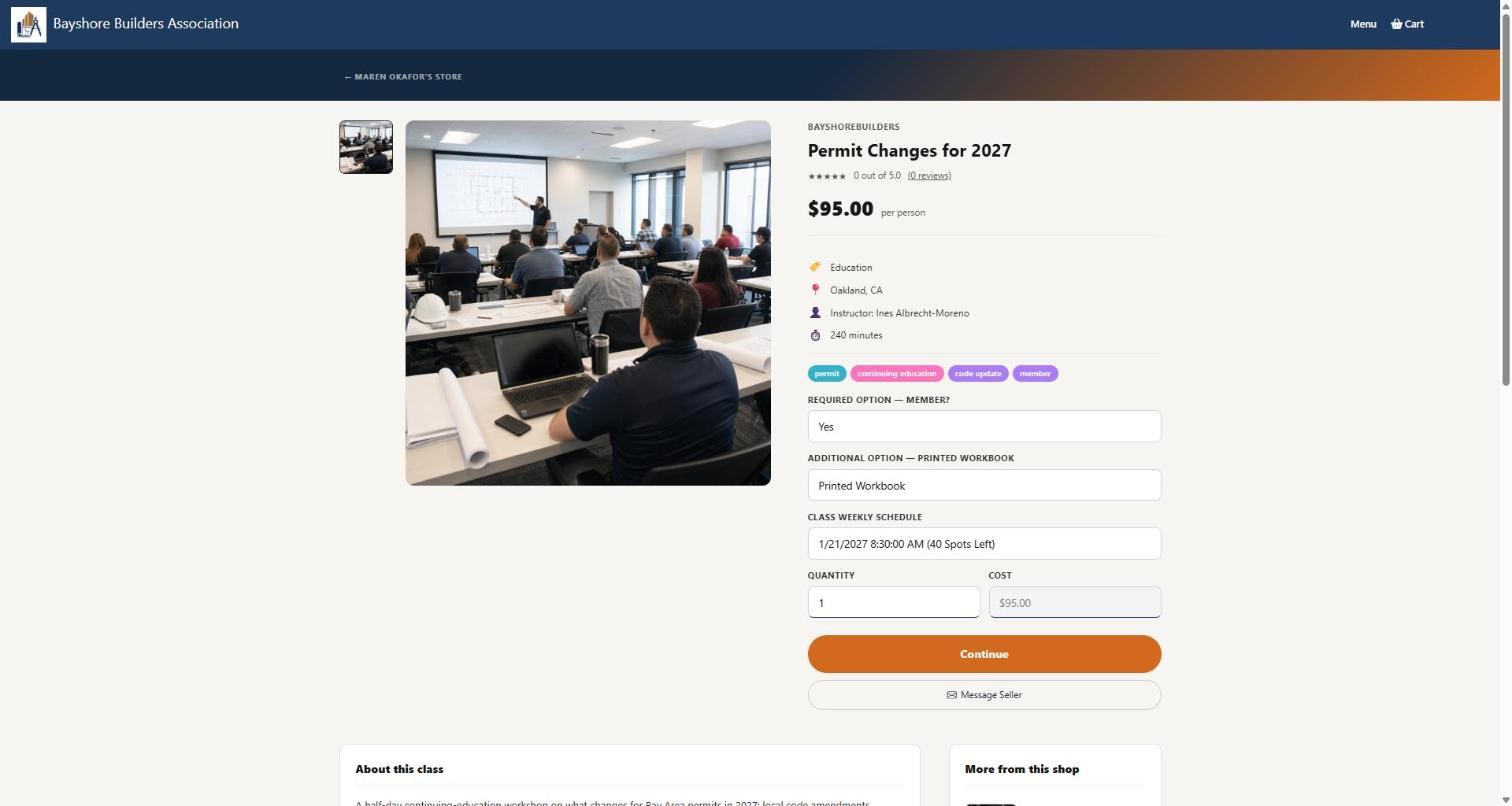
- Who takes part: a member business offers something members can book and pay for, such as a workshop, a class or equipment.
- What staff do: approve what's offered, promote it, and handle questions.
- Who pays whom: the member pays for the booking. Your organization can earn through a defined mechanism. Possible program models include admission to a workshop you host with a member business, or a share you agree with the provider.
You don't have to start with payments. A directory or referral program that members use is a success on its own. Add commerce only when a program clearly calls for it.
Featured listings, sponsored categories, referral fees and agreed shares are program models you choose and set up. They aren't built-in features of any particular platform.
Exonome helps associations, chambers and community leaders run their own branded marketplace of the providers they choose.
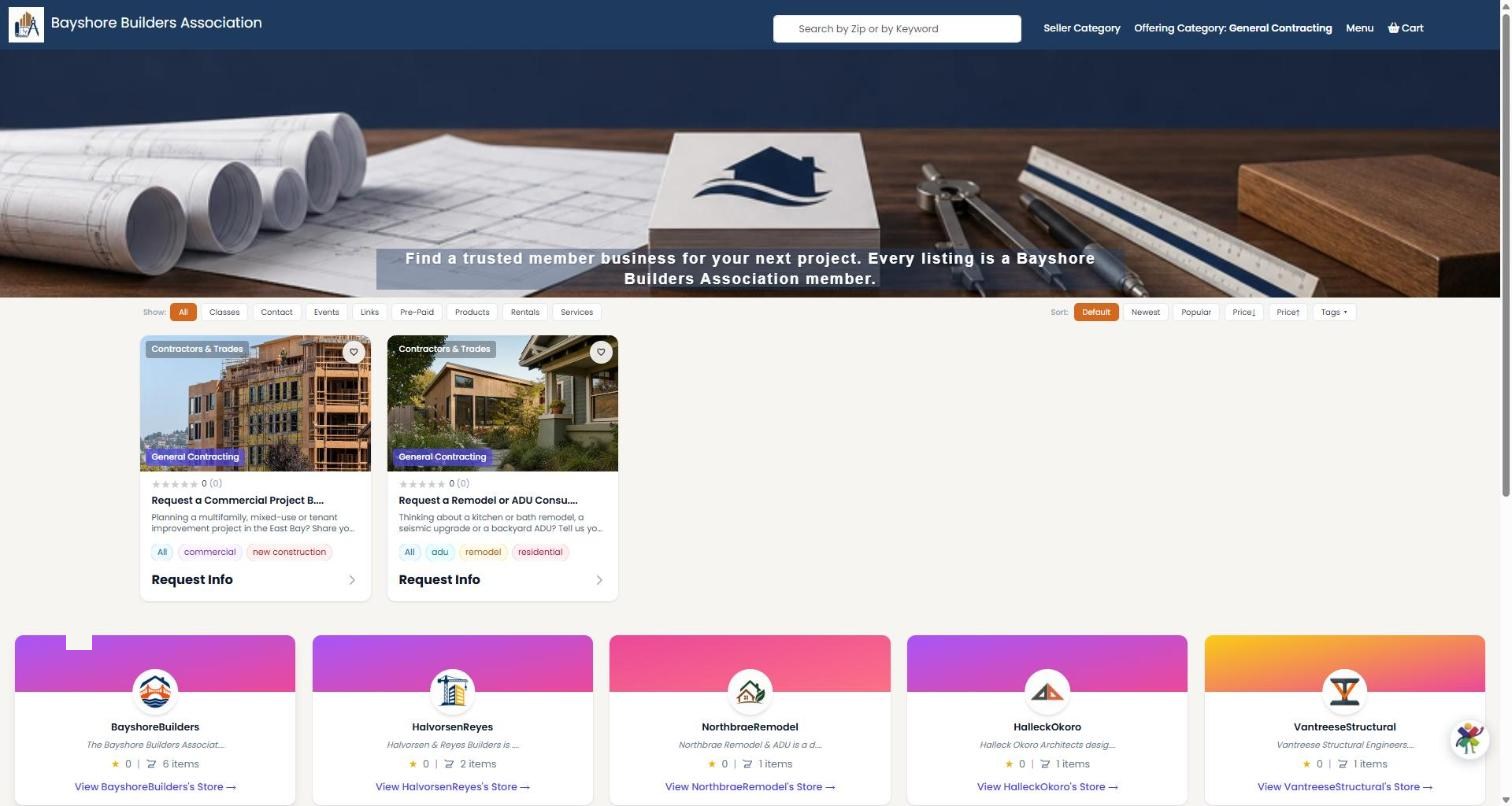
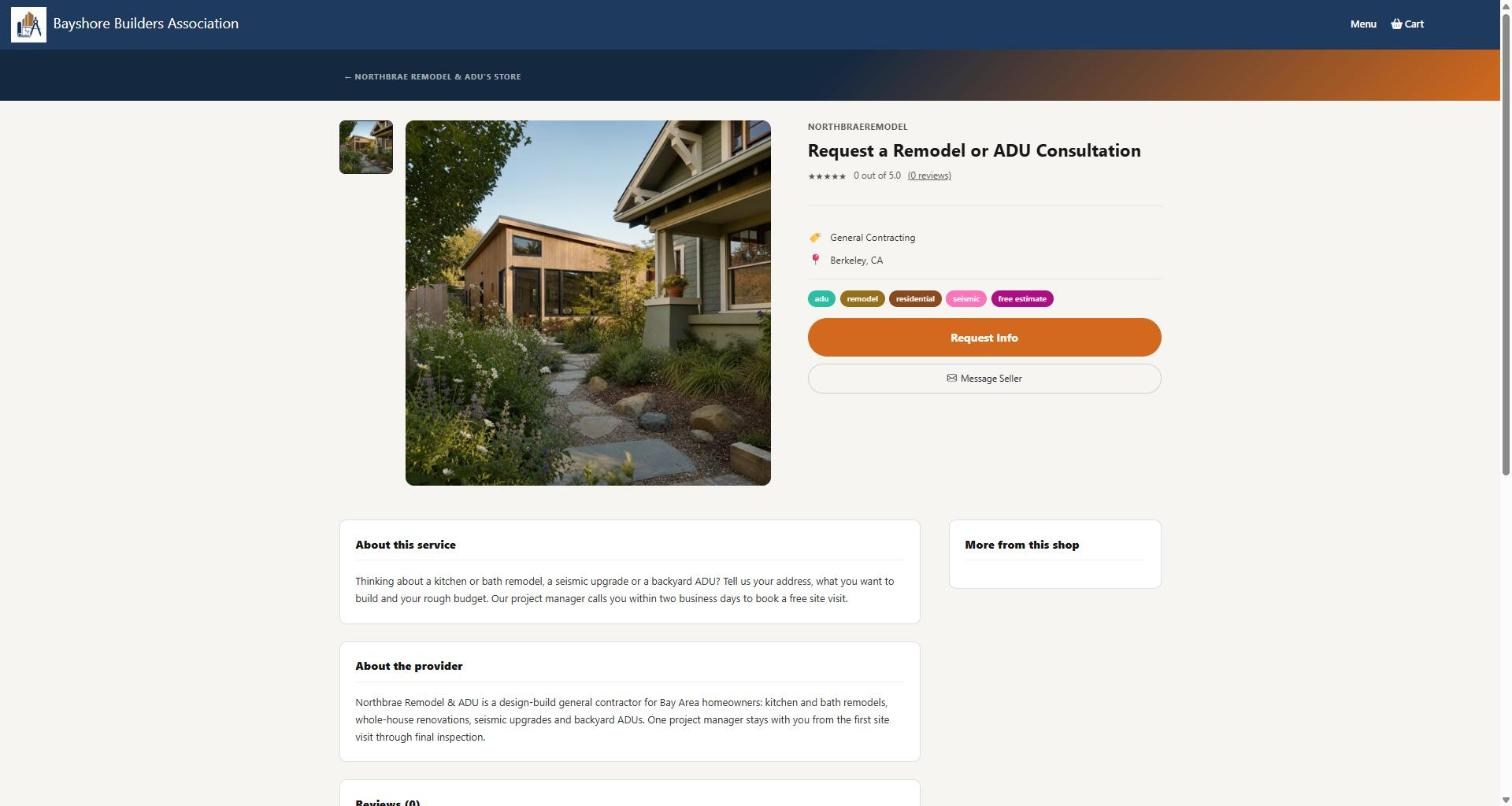
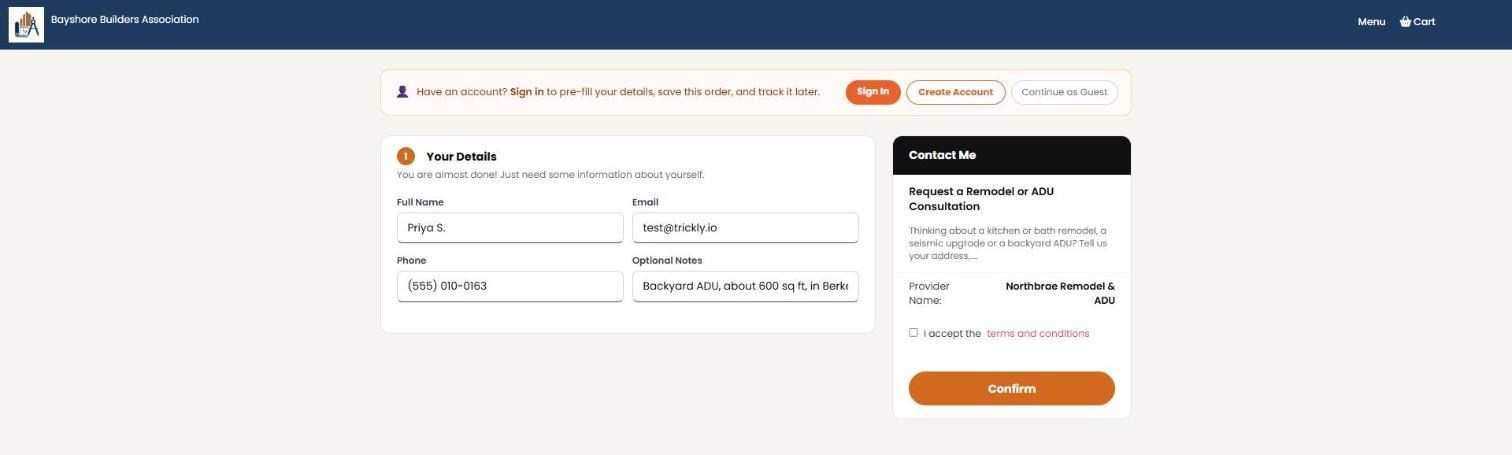
What a directory and an inquiry look like
Bayshore Builders Association is a demo; its member businesses are fictional.

What a paid session looks like
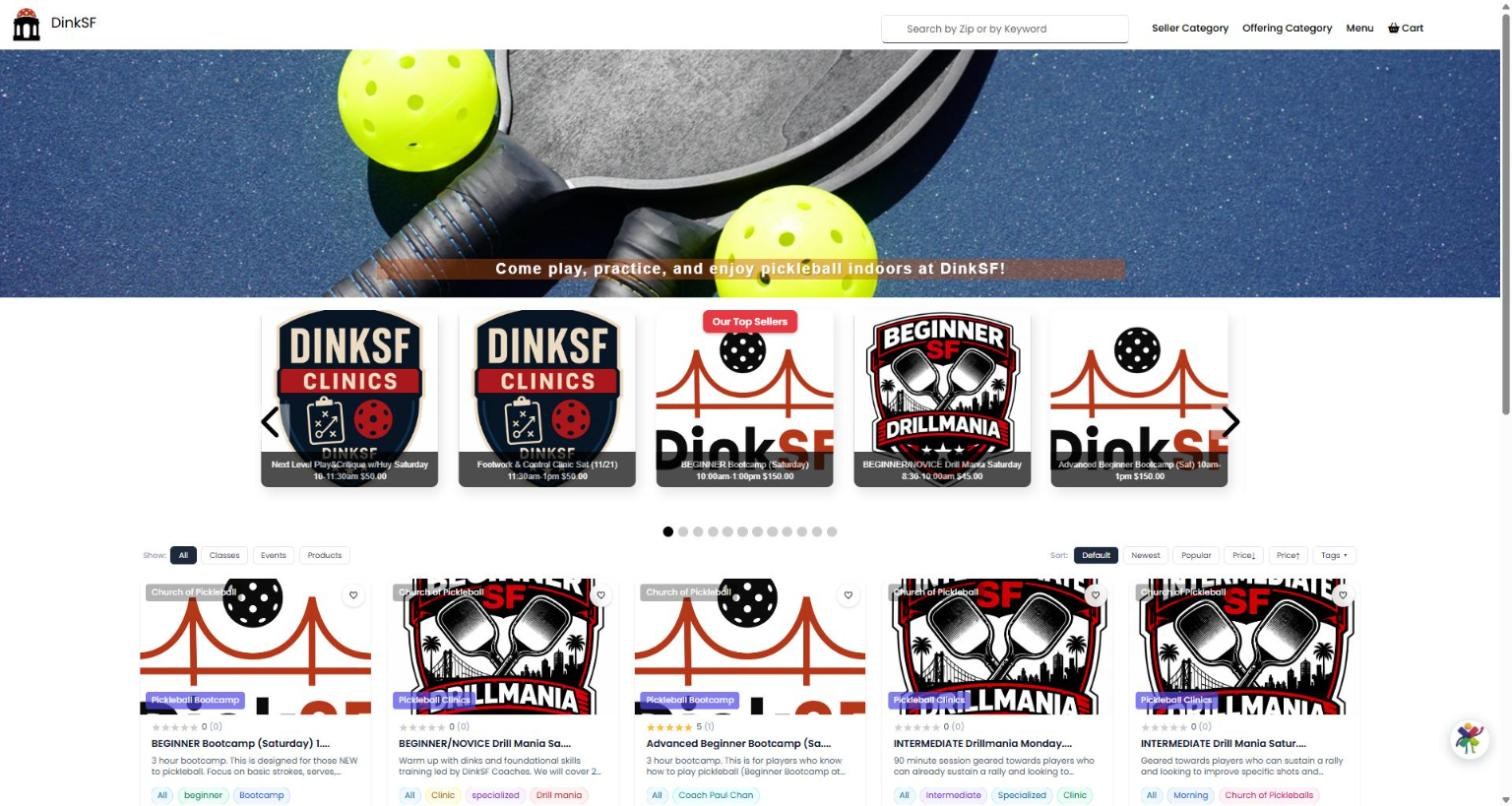
DinkSF is a San Francisco pickleball program. DinkSF was co-founded by Jonathan Padilla, founder of Exonome. He later stepped away from operating DinkSF to focus on Exonome. Players find open play sessions, drills and beginner bootcamps on DinkSF's own exchange, register, and pay when they book. Regulars can buy a multi-session open play pack instead of paying each time. Read the DinkSF story.
For an association, the same workflow fits a workshop series led by a member business: members find the session, register and pay in one place, and your organization decides what's offered.
Who does the work
Software can take some of the load. With Exonome, providers keep their own prices, photos, availability and details up to date. Your staff still own the parts that need judgment: recruiting providers, approving what goes live, promoting the program to members, and following up when something isn't working. Plan for that time before you launch.
How to start small
- Pick one program members already ask for. A directory, a referral program or one paid workshop series.
- Invite a first group of trusted providers. Start with member businesses you'd recommend yourself.
- Set the rules. Who can list, what needs your approval, and whether money moves and how.
- Announce it through channels you already have. Your newsletter, your events, your board.
- Review after a set period. Use the measures below to decide whether to keep, change or stop it.
With Exonome, use the free Discovery setup to show what you plan to offer and collect interest. Use a paid plan to invite additional providers, and Marketplace for paid bookings and payouts.
A note on tax (U.S.)
For U.S. tax-exempt organizations, some non-dues income may be subject to unrelated business income tax. Before launching a paid program, ask your tax adviser how the activity and payment terms will be treated. IRS: unrelated business income tax
How to measure whether it's worth repeating
Track a few things from the start, so you can judge the program on evidence.
- Participation: how many providers listed, and how many members used it.
- Activity: inquiries and referrals sent, sessions booked.
- Repeat use: members and providers who came back.
- Income received: what the program actually brought in.
- Direct costs and staff time: what it took to run.
Together, these measures help your board decide whether the program is worth repeating.
Next step
Join a Lab. See how a directory, referral program or paid series comes together in a free, one-hour guided build, online.
Want to see how it works for associations and chambers? Read about member marketplaces for associations and chambers.